Are There Enough Lifeboats On Cruise Ships To Save Every Last Passenger?
Table Of Content

As we have explored in this article, lifeboats serve an essential role in providing a means of escape in emergency situations such as ship evacuations, sinking ships, or search and rescue operations. They offer a reliable form of transportation to remote areas and provide a sense of security in the unpredictable maritime environment. According to maritime safety regulations, cruise ships must have enough lifeboats and life rafts to accommodate at least 75% of the maximum capacity of people on board, including passengers and crew. It is important to note that while lifeboats are an essential safety feature on cruise ships, they should never be relied upon as the only means of ensuring safety.
Destinations and Itineraries of the Smallest Ship
In the front center of the boat, above the diesel engine, there is the command console from where the boat’s pilot will ensure that everybody reaches safety. You won’t necessarily get into the lifeboat, but you will learn how to put on a lifejacket and be familiarized with the drill. The largest lifeboat, the Palfinger MPC 49 is 15.25m by 5.5m and holds 440 persons. When needed, the liferafts are released from their compartments and connected to shutes are lowered into the sea where they are released and begin inflating.
How Many Cruise Ships Have Sunk? Cruise.Blog - Cruise Blog
How Many Cruise Ships Have Sunk? Cruise.Blog.
Posted: Wed, 06 Sep 2023 07:00:00 GMT [source]
Safety of Life at Sea (SOLAS) Convention
It is essential to carefully calculate the number of lifeboats needed to meet these requirements and ensure the safety of everyone on board. Therefore, international regulations and lifeboat capacity play a significant role in determining the number of lifeboats required on a cruise ship. While the thought of not having enough lifeboats may be concerning, it’s important to remember that modern signalling and communication technology make rescue quicker and easier. Additionally, cruise ship evacuation procedures are carefully planned and rehearsed to ensure that everyone on board knows what to do in case of an emergency.
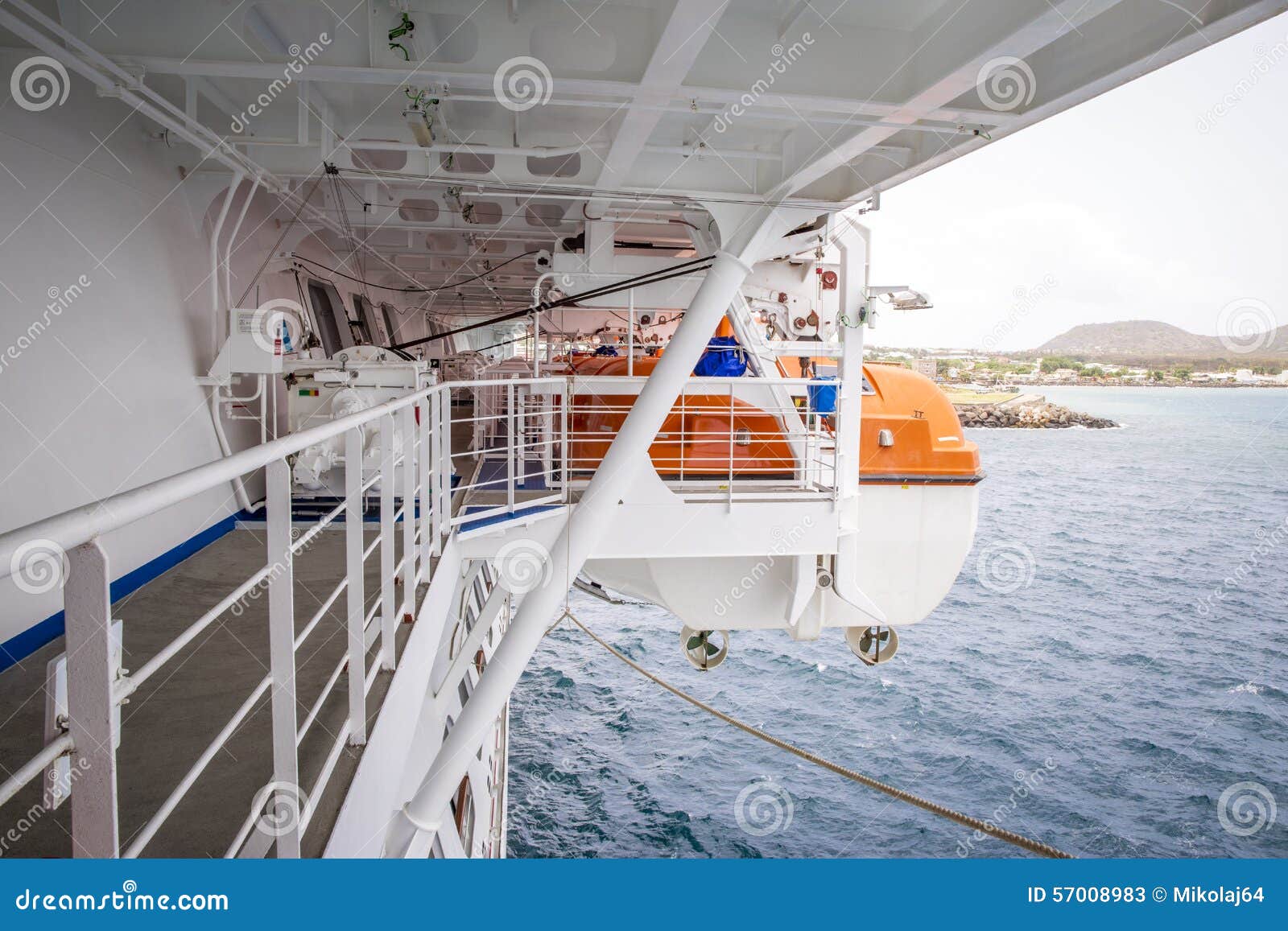
How Do Lifeboats Work On Cruise Ships
Starting with weekly and monthly inspections, you should follow a strict schedule that adheres to the regulations set forth by the International Maritime Organization (IMO). When the ship’s weight is transferred to the water, the water pressure moves a hydrostatic piston to the up position, pushing a lever and releasing the hook. They typically feature a partial roof or canopy to protect passengers from the weather while the sides remain open to provide visibility and ventilation.
Crew members undergo rigorous training to handle emergencies swiftly and efficiently. They’re trained in the use of life-saving equipment, such as lifeboats, and are well-versed in evacuation protocols. Explore the vastness of the open ocean and imagine the thrill of being far away from shore, where the skyline fades into the distance. Can you feel the sense of adventure and freedom that comes with sailing into the unknown?
Passenger ships must have enough lifeboat space for a minimum of 75% of the ship’s maximum capacity. They are designed to ensure that the lifeboats can reach a safe distance from the sinking ship quickly if necessary. Life rafts do not always have engines, but they can be launched further out to sea and have oars if required. That’s in case the ship was to capsize, or some other incident rendered half the lifeboats unusable.
Anyone whose every been on a cruise (or seen one) will immediately notice the rbight, colored lifeboats on the sides. Apart from flares, other signaling devices found in lifeboats include mirrors and whistles. These tools are helpful when visibility is limited or if there is a need to communicate with other lifeboats or rescuers nearby. Lifeboats also carry oars as a backup means of propulsion should the engine malfunction or run out of fuel. These buoyant oars enable the crew to navigate and steer the lifeboat when the engine is unavailable. One of the critical components of a lifeboat is its engine, which allows it to travel and bring people to safety.
Titanic Vs. Modern Ships: Comparison
These lifeboats are fully enclosed with a hard shell, providing shelter from harsh weather conditions, waves, and possible fire hazards. These multi-purpose lifeboats ensure cruise ships are well-equipped for routine and emergencies. Lifeboats on cruise ships also serve another purpose, acting as tender boats when needed.
How Many Lifeboats Are There On A Cruise Ship?
Emergency response and evacuation procedures are critical aspects of ensuring passenger safety on a cruise ship. As a passenger on a floating city, I can’t help but feel like a tiny fish in a vast ocean, vulnerable to potential dangers that could arise at any moment. While I understand that cruise ships have emergency procedures in place, I still have concerns about the safety of myself and my fellow passengers. So, whether you’re a seasoned cruiser or planning your first voyage, keep reading to find out if cruise ship lifeboats are enough or not, and what you can expect in case of an emergency.
In certain situations, cruise ships must anchor away from the shore, requiring smaller tender vessels to transport passengers between the ship and the dock. These lifeboats were made necessary with the launch of Oasis of the Seas in 2009, which has a total passenger and crew capacity of 6,700, with a passenger capacity of 5,606. This would require at least 38 lifeboats just for the passengers in the old style – taking up a huge amount of space alongside each side of the ship.
Despite the LSA's 150-person capacity limit for lifeboats, an exception allows for larger lifeboats on some of the world's largest cruise ships. According to the law, cruise lines do not need enough lifeboats for everyone if there is a capacity for 37.5% of guests on each side of a ship. As you dive into the history of lifeboats on cruise ships, you’ll learn that regulations played a crucial role in shaping their development. Inflatable life rafts on cruise ships are not meant to replace traditional lifeboats but to complement them. This mandatory briefing educates passengers about emergency procedures, the use of life vests, escape routes, and their designated muster stations.
Evacuations from cruise ships by lifeboat are incredibly rare – but all cruise ships must carry enough lifeboats for all passengers and crew. During emergency drills on a cruise ship, crew members will instruct passengers on how to safely board a lifeboat. Crew training ensures quick and efficient evacuation in the event of an emergency. Cruise ship operators are committed to meeting and exceeding safety standards to safeguard the lives of passengers and crew members.
International regulations and standards govern the minimum number of lifeboats a cruise ship must have based on various factors. These factors include the ship’s capacity, the number of passengers and crew members, as well as the ship’s design and structure. Ultimately, the cruise industry is committed to the safety of passengers and crew members. If the words "cruise ship lifeboat" sound scary, don't worry -- today's modern lifeboats are designed for maximum safety in the event of an emergency.


Comments
Post a Comment